
What a Bentwood engagement looks like from the LOI to stabilization.
The patterns below describe the deals Bentwood is built for: a spec logistics building for a developer, an acquired industrial asset repositioned for an investor, a build-to-suit plant, a ground-up data center, a medical office building. Each walks through the underwriting problem, how we run it, and the outcome the process is designed to produce.
A note on what you're reading: these are representative engagement patterns drawn from the types of work Bentwood delivers. Specific project names, locations, and metrics are confidential to our partners. We'll walk through real references on a call under NDA. Tell us what you're evaluating and we'll bring the relevant ones to the conversation.
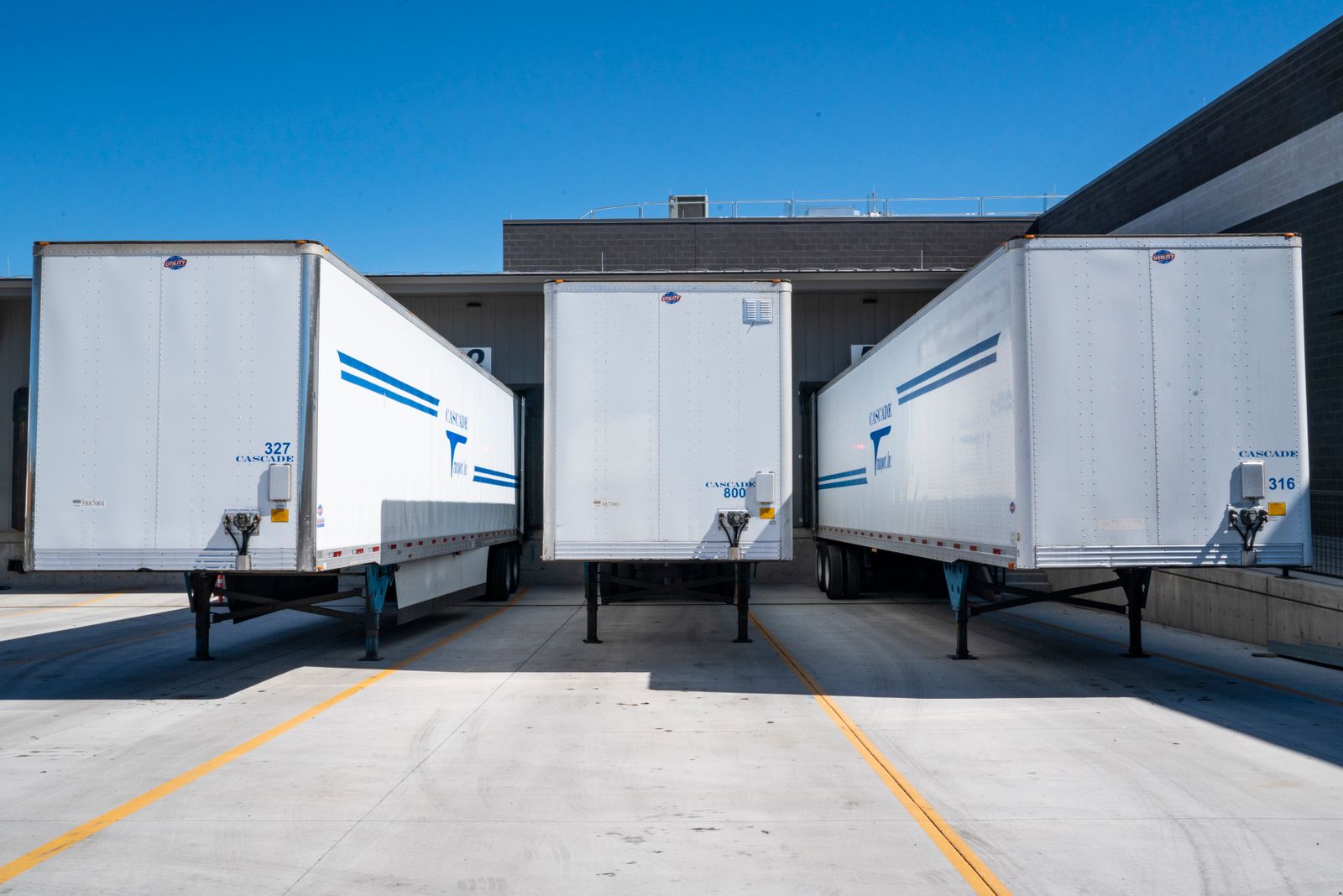
Ground-Up Spec Logistics for a Developer
When the pro forma assumes a delivery date, the shell has to be standing when the broker brings the first tour.
The Underwriting Problem
A developer has a site under contract, a lender term sheet, and a lease-up assumption that starts the clock on the day the shell is delivered. The construction loan funds against a schedule, and every month the shell is late is a month of carry with no rent against it. The budget was set at the LOI with a number from a broker's rule of thumb, and the site has not been walked by anyone who will have to build on it.
The wrong contractor model prices the job once the full set is complete, releases long-lead items when the contract is signed, and submits draws the lender's inspector has to send back twice. By the time the first tour is scheduled, the dock package is still six weeks out.
How Bentwood Approaches It
We walk the site in due diligence and give the developer a conceptual budget and a schedule to shell delivery from our own per-metro cost data, in time for the investment committee. Under design-build or CM-at-risk, we carry the number through each milestone set and convert it to a GMP with open-book buyout.
Site, foundation, and slab packages release early under phased permits where the jurisdiction allows. Dock equipment, ESFR, roof membrane, and switchgear are bought before the panels are cast. The monthly draw package of pay app, lien waivers, and photos goes to the lender's inspector in the format agreed in the first month, and that format does not change.
What Makes It Hard
- A budget that has to hold from the LOI forward
- Entitlements, phased permits, and utility coordination on the critical path
- Long-lead dock equipment, fire pumps, roof membrane, and switchgear
- Crane-day sequencing and the slab designed as the casting bed
- Lender draws that have to fund on the first request
- Tenant-delivery conditions written into a lease form the GC never saw
Characteristic Outcomes
Repositioning an Acquired Industrial Asset
The deal works at the rent you underwrote. The capex budget decides whether you get there.

The Underwriting Problem
A value-add investor is under LOI on a Class B industrial building, or a portfolio of them, with a plan to re-tenant at a higher rent after a capital program: roof, docks, demising, spec office, LED and power upgrades, truck-court repair. The capex line in the model came from a prior deal, and the diligence period is thirty days.
The building is partially occupied, and the tenants still paying rent are the ones who will complain first if the work is sequenced badly. The broker's marketing of the improved space starts before the work is finished, so the first spec suite has to be done when the first tour arrives.
How Bentwood Approaches It
We walk the asset with the investor during diligence and deliver a capex budget by line item, priced from what we are paying in that metro that quarter, before the diligence period ends. Roof restoration versus replacement, dock and leveler counts, ESFR capability, power service, and the office refresh are each a number the model can carry.
After closing, the same team executes the plan in the order that lifts rent first, sequenced around the tenants in place. Every dollar is reported against the diligence budget, line for line, and the asset manager has the schedule to each spec suite's marketing date before the broker asks for it.
What Makes It Hard
- A diligence period measured in days
- Tenants in occupancy who are paying rent during the work
- Roof, slab, and power conditions the seller's package understates
- Spec-suite delivery dates tied to the broker's marketing plan
- Several assets in several metros on one capital program
- Capex reporting to the fund in the fund's format
Characteristic Outcomes
Build-to-Suit Plant for a Developer and a Manufacturing Tenant
Two owners of the scope, one schedule. The equipment set date is the date that matters.
The Underwriting Problem
A developer has signed, or is about to sign, a long-term lease with a manufacturer for a purpose-built plant. The developer owns the building, the tenant owns the process, and the lease draws a line between the two that the construction documents have to match exactly. The tenant has equipment arriving on a date set by its own supply chain, and the lease's rent commencement is tied to that equipment being set.
If base-building and process scope are not reconciled before the lease is executed, every slab thickening, every crane rail, and every utility stub becomes a change-order argument about who pays. If the utilities are not planned first, the line that was supposed to start Monday doesn't.
How Bentwood Approaches It
We take the tenant's specification and translate it into a landlord budget and a tenant budget before the lease is signed, so both parties know what they are paying for and the developer's basis is protected. Process utilities, meaning air, water, gas, power, and drainage, are designed and bought first, with the equipment set dates on the critical path from the first schedule.
Change orders arrive with cause, alternatives, and consequences, and with a clear answer on which side of the lease line they fall. The tenant's process engineers sit in the OAC meeting, and when the equipment vendor's drawings change, the foundation changes before it is poured rather than after.
What Makes It Hard
- Landlord versus tenant scope drawn on the documents as well as in the lease
- Tenant equipment set dates the GC does not control
- Process utilities sized for a line the tenant is still specifying
- Crane and equipment foundations with no tolerance for rework
- Food-grade or controlled-environment finishes where the use demands them
- A developer's budget that has to survive the tenant's change requests
Characteristic Outcomes
Ground-Up Data Center for a Developer
The utility's energization date and the transformer's ship date own the schedule. Everything else is built underneath them.

The Underwriting Problem
A developer is delivering a powered shell to sell in phases, or a turnkey hall for a colocation tenant, on a site where the utility has committed to an energization date and the tenant's lease starts rent on the acceptance certificate. The switchgear, transformers, and generators have lead times longer than the construction schedule, and most of them have to be released before the construction loan is fully closed.
Any one long-lead item slipping by a quarter pushes substantial completion by a quarter. A failed L4 integrated systems test costs another. The capital has to go out in the order the schedule needs it, and the draw schedule the lender underwrote has to match the equipment milestones.
How Bentwood Approaches It
We put the dates the developer doesn't control on the critical path first: energization, transformer and switchgear delivery, the tenant's commissioning window. We structure the early gear release around the loan as well as the schedule, and we track every long-lead item from release through factory acceptance test to site, surfacing a slip 60 to 90 days before it reaches the critical path.
Tier-aware MOPs run from foundation pour through L5 turnover, coordinated with the CxA and the tenant's NOC, so the acceptance certificate is signed on the first pass. Draw packages are tied to the equipment and commissioning milestones the lender is underwriting rather than to percent complete, so the capital goes out as the gear arrives.
What Makes It Hard
- Gear released before the loan is fully closed
- Utility energization on a date the developer doesn't control
- Phased capacity sold before the building is finished
- L1 through L5 commissioning with a tenant's CxA in the room
- Draw schedule tied to equipment milestones rather than percent complete
- Campus expansion that has to reuse the first phase's engineering
Characteristic Outcomes
Ground-Up Medical Office Building for a Healthcare Developer
Rent starts when the practice can see patients. The licensing inspection, rather than the certificate of occupancy, is the milestone.

The Underwriting Problem
A healthcare developer has a ground lease or a site, an anchor tenant such as a physician group or a health system, a lease that starts rent on the practice's opening date, and a lender funding against a schedule. The tenant's imaging equipment, sterilizers, and medical gas have lead times that rival the structure, and the state's licensing calendar is not something the developer controls.
If the inspection sequence is not built into the baseline schedule, a building can be substantially complete and still months from earning rent. If landlord and tenant scope are not reconciled to the lease, the tenant's build-out allowance and the developer's core-and-shell budget start fighting on day one.
How Bentwood Approaches It
We give the developer a conceptual budget and a schedule to rent commencement rather than to substantial completion, while the deal is still under LOI. Licensing, Joint Commission, and the AHJ inspections are in the baseline schedule from the start, and long-lead medical equipment and medical gas are tracked from submittal to site.
Landlord work and tenant delivery conditions are reconciled to the lease in writing, so the tenant's allowance and the developer's budget read the same way. Where the building is occupied during a later phase, ICRA discipline keeps the practices that are paying rent open. When the physician partners change their minds about a room, the cost and the schedule effect are on paper before the wall moves.
What Makes It Hard
- Rent commencement tied to a licensing inspection the GC must schedule for
- Long-lead imaging equipment, sterilizers, and medical gas
- Landlord core-and-shell versus tenant allowance drawn to the lease line
- Shielding, pressure relationships, and medical gas that must pass certification
- Physician partners who change their minds about rooms
- Phased occupancy with ICRA discipline in later phases
Characteristic Outcomes
Different deal shape than these?
These five patterns describe most of what we do, but every deal has its own shape. If yours doesn't quite fit one of them, tell us about the underwriting problem you're trying to solve. We'll be honest about whether Bentwood is the right partner before we propose anything.
Real project references and metrics available under NDA on a call.
Contact Bentwood